
In this blog, our Trauma Ambassador Georgina shares her reflections for Semicolon Day, founded by Project Semicolon.
“A year ago, I stood at the edge of everything.
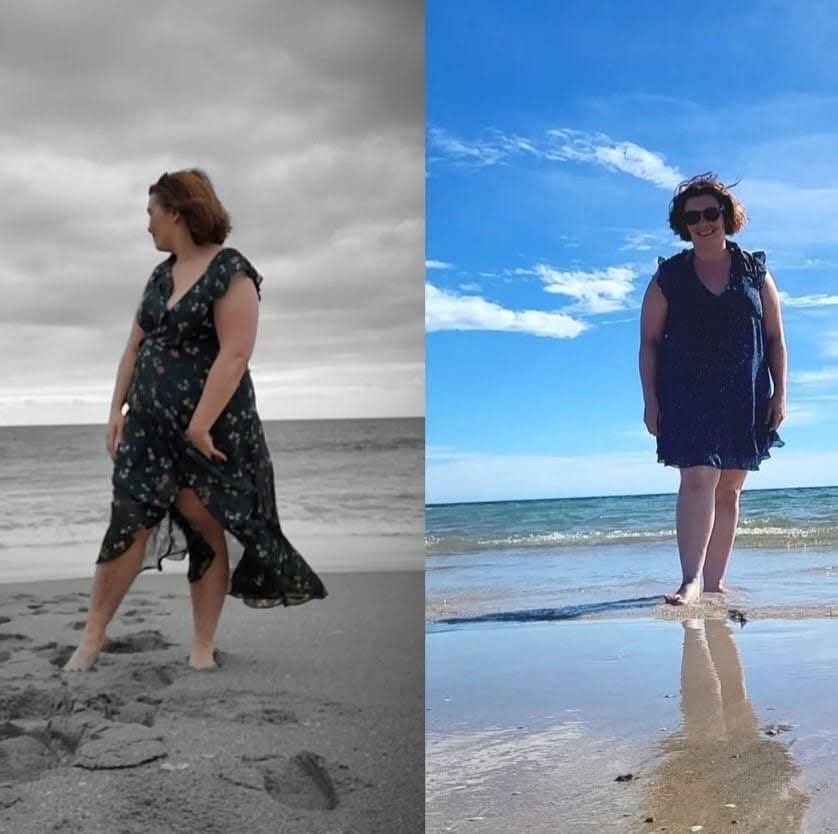
I didn’t have the words for what was happening to me. I only knew that something inside me was too loud, too heavy, too much to carry. If you had asked, I might have said I was struggling—but the truth was, I was trying to survive something I couldn’t name.
Back then, the world felt relentless. Thoughts circled without rest. Breath felt shallow, like it didn’t quite reach where it needed to go. There were moments where the only thing I could think about was silence—not because I wanted to die, but because I didn’t know how to live with the noise.
What I couldn’t say was this: I wasn’t attention seeking. I was searching for understanding. I wasn’t overreacting. I was overwhelmed in a way that lived in my body as much as my mind. I didn’t need to be fixed. I needed someone to sit beside me in the dark, and not turn away.
And then—there was a pause.
Not a meaningful one. Not a hopeful one. Just a quiet, suspended moment between stopping and continuing. A space where nothing felt certain, and everything still hurt.
I didn’t know it then, but that was my semicolon.
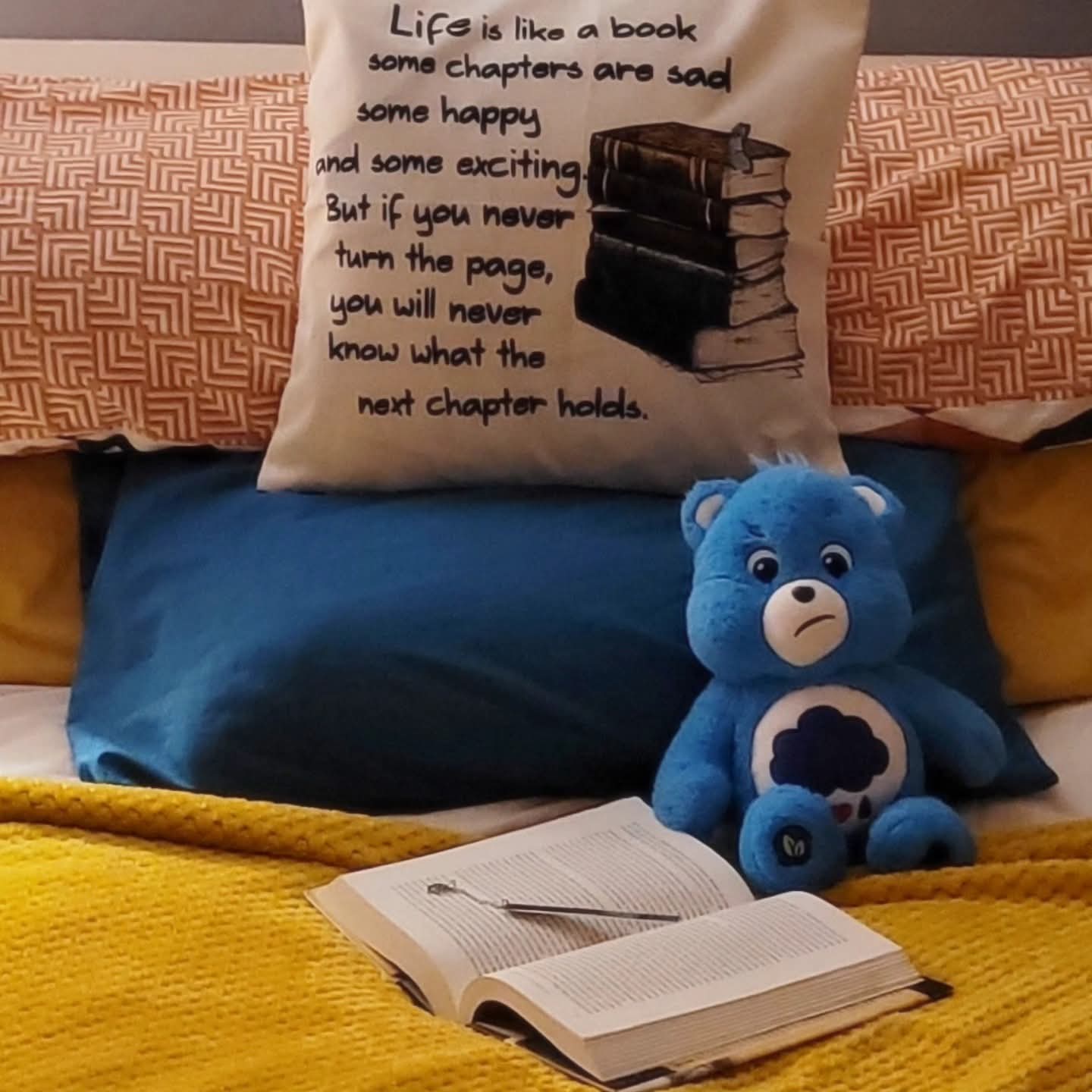
The place where the sentence could have ended—
but didn’t.
The difference between who I was then and who I am now is not that everything is resolved. It’s that something shifted in that pause. A small opening. Enough to let someone in. Enough to be heard. Enough to take a step that didn’t feel possible before.
She could only see the end.
I can see what came after.
She was surrounded by noise.
I have found moments of quiet.
She was trying to escape.
I am learning how to stay.
We are not separate. She is still here, woven into everything I am. But the semicolon sits between us—not as a divide, but as a turning point. A moment held in place, where everything could have stopped, and something else, quietly, began.
And that is what changed everything.”
Georgina,
Trauma Ambassador